Magnetic filter bars represent one of the most efficient and cost-effective solutions for protecting industrial equipment and ensuring product purity across countless manufacturing processes. These sophisticated yet simple devices leverage powerful magnetic forces to capture and remove ferrous contaminants from production lines, preventing equipment damage, reducing maintenance costs, and safeguarding final product quality. With industries increasingly focused on operational efficiency and quality control, the global magnetic separation market continues to experience significant growth, projected to expand at a compound annual growth rate of 5.8% through 2028. This comprehensive guide explores the fundamental principles, diverse applications, critical selection criteria, and proper maintenance protocols for magnetic filter bars, providing essential knowledge for optimizing your filtration strategy.
How Magnetic Filter Bars Work: The Science Behind Superior Separation
At their core, magnetic filter bars operate on the fundamental principle of magnetic separation, a physical process that efficiently extracts ferromagnetic particles from various material streams without changing their chemical composition. This makes them ideal for applications where product integrity is paramount, such as food processing, pharmaceutical manufacturing, and chemical production.
Magnetic Circuit Design and Field Strength
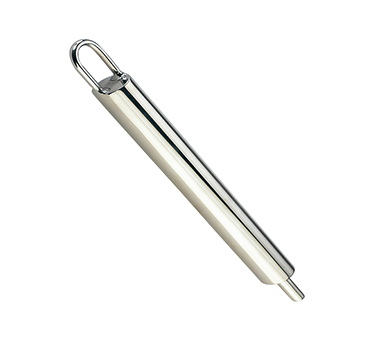
The effectiveness of magnetic filter bars stems from their sophisticated internal design. High-performance bars typically incorporate rare-earth neodymium magnets arranged in a specific magnetic circuit configuration that maximizes surface field strength. These powerful magnets generate intense magnetic fields reaching 8,000 to 12,000 Gauss on the bar surface, capable of capturing even micron-sized ferrous particles. The magnets are strategically positioned with alternating poles (north-south-north) to create multiple high-intensity magnetic zones along the bar's length, ensuring comprehensive coverage and trapping efficiency.
Contaminant Capture Mechanism
The filtration process occurs in three distinct phases. First, as materials flow through or around the magnetic bars, ferrous contaminants experience magnetic attraction that pulls them toward the bar surface. Next, these particles become firmly adhered to the stainless steel housing, held securely against material flow forces. Finally, during periodic cleaning cycles, accumulated contaminants are mechanically removed through manual wiping or automated cleaning systems, restoring the bar's full magnetic capacity. This continuous capture-and-remove cycle ensures consistent protection for downstream equipment and products.
Key Applications Across Major Industries
Magnetic filter bars serve as first-line defense systems in numerous industries where product purity and equipment protection are critical to operational success and regulatory compliance.
Food and Pharmaceutical Processing
In food processing environments, magnetic filter bar provides essential protection against metal contamination that could compromise consumer safety. They're extensively used in spice and seasoning production to capture metal fragments from raw materials, in flour and grain milling to protect grinding equipment, and in liquid processing lines for sauces, oils, and beverages. The pharmaceutical industry relies on these bars to maintain compliance with Good Manufacturing Practices (GMP), ensuring that powdered ingredients, granulates, and liquid formulations remain free from metallic impurities that could affect product safety or efficacy.
Plastics and Chemical Manufacturing
The plastics industry utilizes magnetic filter bars to protect expensive processing equipment like extruders, injection molding machines, and die casts from abrasive metal particles that can cause significant damage and production downtime. Similarly, chemical producers employ these bars to prevent contamination in powdered chemicals, pigments, paints, and coatings, where even minute metal particles can affect product quality, cause unwanted catalytic reactions, or compromise end-use performance.
Recycling and Bulk Material Handling
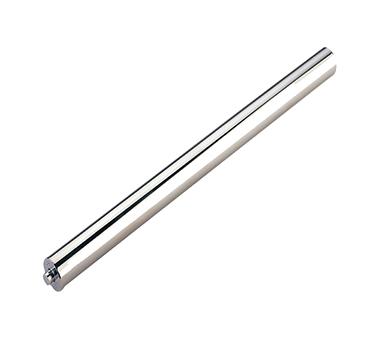
In recycling operations, magnetic filter bars facilitate efficient ferrous metal recovery from shredded plastics, e-waste, and municipal solid waste streams. Bulk material handling operations use these bars to protect conveyor systems, size reduction equipment, and packaging machinery from tramp metal damage, significantly reducing maintenance costs and unplanned downtime across material transfer points.
Table: Magnetic Filter Bar Applications by Industry
| Industry | Primary Applications | Key Benefits |
|---|
| Food Processing | Spices, flour, grains, liquid ingredients | Consumer safety, HACCP compliance, equipment protection |
| Pharmaceuticals | Powdered APIs, granulates, liquid formulations | GMP compliance, product purity, regulatory adherence |
| Plastics | Raw pellets, regrind materials, polymer powders | Equipment protection, reduced downtime, quality assurance |
| Chemicals | Powders, solvents, paints, coatings | Product stability, reaction control, quality consistency |
| Recycling | Shredded plastics, e-waste, municipal waste | Material recovery, equipment protection, value extraction |
Critical Factors for Selecting the Right Magnetic Filter Bar
Choosing the appropriate magnetic filter bar requires careful consideration of multiple operational and technical factors to ensure optimal performance in your specific application.
Material Characteristics and Process Conditions
The physical and chemical properties of the materials being processed significantly influence magnetic bar selection. For powdered materials with fine particle sizes, bars with higher surface field strengths (10,000+ Gauss) are necessary to capture micron-sized contaminants. When processing abrasive materials, bars with thicker stainless steel housings (1.5mm+) provide enhanced durability and longer service life. Operating temperature represents another critical consideration, as standard neodymium magnets begin to lose strength above 80°C (176°F), necessitating high-temperature versions rated for up to 350°C (662°F) for hot processes.
Magnetic Strength and Configuration
fragments, finer powders often require 12,000 Gauss or higher for effective contamination control—a key reason to consult with a professional magnetic materials supplier. The physical configuration of the bars must also align with installation requirements, with a reliable magnetic materials supplier typically offering options including round bars for hoppers and vertical chutes, flat-sided bars for frame mounting, and custom geometries for specialized equipment. Proper spacing between multiple bars is equally important, typically ranging from 1.5 to 3 inches depending on material flow characteristics and contamination levels.
Construction Quality and Compliance
High-quality construction ensures long-term reliability and compliance with industry standards. Look for bars constructed from food-grade 304 or 316 stainless steel with seamless, polished surfaces that facilitate easy cleaning and prevent bacterial growth. For industries with stringent hygiene requirements, certifications like FDA compliance, USDA acceptance, and 3-A sanitary standards provide assurance of material suitability. Additionally, bars should feature robust end caps and secure magnetic containment to prevent any possibility of magnetic material leakage into processed products.
Proper Installation, Maintenance and Best Practices
Maximizing the performance and lifespan of magnetic filter bars requires correct installation, regular maintenance, and adherence to industry best practices.
Installation Guidelines for Optimal Performance
Proper installation begins with selecting locations where material flow is consistent and all product must pass through the magnetic field. In pneumatic conveying systems, install bars in horizontal runs rather than vertical sections to prevent material bypass. For gravity-fed applications, position bars to create a uniform magnetic curtain across the entire material stream, ensuring no areas escape magnetic scrutiny. When installing multiple bars, maintain appropriate spacing—typically 1.5 times the bar diameter—to prevent magnetic interference while ensuring complete coverage. Always verify that installation doesn't create material dead spots or flow restrictions that could lead to clogging or reduced throughput.
Maintenance Procedures and Cleaning Protocols
Regular maintenance is essential for sustained magnetic performance. For most applications, magnetic bars should be inspected and cleaned at intervals ranging from daily in high-contamination environments to weekly in cleaner operations. Proper cleaning involves removing the bars from their housing and wiping accumulated contaminants with a soft cloth or non-abrasive pad, taking care not to scratch the stainless steel surface. For stubborn deposits, use appropriate cleaning solutions compatible with both the housing material and your products. Never use metal tools or abrasive cleaners that could compromise the protective housing and lead to corrosion or contamination.
Performance Monitoring and Replacement Indicators
Implementing a systematic monitoring program helps identify when magnetic bars require replacement. Regular Gauss meter measurements track magnetic strength degradation over time, with most manufacturers recommending replacement when strength drops below 80% of the original rating. Visual inspection should note any signs of physical damage, corrosion, or housing wear that could compromise performance or product safety. Many operations establish predetermined replacement schedules based on historical performance data, typically ranging from 3-5 years for standard applications to 1-2 years in high-abrasion environments. Keeping detailed maintenance records helps optimize replacement timing and provides documentation for quality audits.
 English
 日本語
日本語 한국어
한국어 français
 Deutsch
 Español
 italiano
 русский
 português
 العربية