As the plastic recycling industry continues to play a pivotal role in combating plastic pollution and promoting sustainable resource management, it faces significant challenges in efficiently handling and reusing waste plastics. Magnetic filtration technology, particularly magnetic drawer filters, offers an effective solution to these challenges. This article explores the environmental benefits and economic advantages of magnetic drawer filters in plastic recycling, highlighting their ability to enhance recycling efficiency and minimize environmental impact.
Environmental Benefits of Magnetic Drawer Filters
1. Reducing Plastic Waste and Pollution
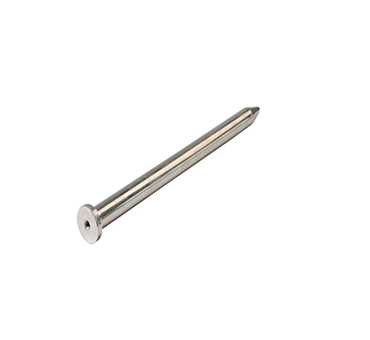
Contaminated recycled plastics are often discarded as waste due to their inability to meet quality standards. By using magnetic drawer filters, the risk of contamination during the recycling process is significantly reduced. These systems utilize the high-intensity field of each magnetic filter bar to efficiently remove metallic impurities from waste plastics, thereby decreasing the volume of discarded materials and reducing plastic pollution.
2. Improving the Quality and Purity of Recycled Plastics
Magnetic drawer filters excel in removing metal contaminants, resulting in higher-purity recycled plastics. This leads to improved product quality, allowing for a broader range of applications. By ensuring the purity of recycled plastics, these filters contribute to reducing the demand for virgin plastic production, thus lowering the overall environmental footprint of plastics.
3. Reducing Energy Consumption
The presence of iron-based contaminants in recycling equipment, such as shredders and extruders, can cause wear and damage, leading to increased energy consumption and maintenance costs. Magnetic drawer filters help maintain cleaner operations by removing these contaminants, which reduces the likelihood of equipment malfunction, downtime, and unnecessary energy consumption during maintenance.
Economic Benefits of Magnetic Drawer Filters
1. Lowering Recycling Costs
By enhancing the purity of recycled plastics, magnetic drawer filter help reduce further processing costs. Cleaner plastics require less effort to refine and reprocess, leading to overall savings in recycling operations.
2. Boosting Market Value and Competitiveness of Recycled Plastics
Recycling facilities that use magnetic drawer filters can produce premium quality recycled plastics, which are more valuable in the market. With the ability to sell higher-quality products, companies gain a competitive edge, attract more customers, and ultimately increase their market share and revenue streams. This results in higher economic returns for businesses that invest in magnetic filtration technology.
3. Reducing Equipment Maintenance and Repair Costs
Iron-based contaminants can severely damage recycling machinery, leading to frequent repairs and increased maintenance costs. Magnetic drawer filters remove these contaminants before they reach critical equipment, helping extend the lifespan of machinery and reducing maintenance costs and downtime.
Conclusion: The Crucial Role of Magnetic Drawer Filters in Sustainable Plastic Recycling
The integration of magnetic drawer filters in the plastic recycling industry offers significant environmental and economic advantages. By improving the purity of recycled plastics, reducing waste, conserving energy, and supporting a circular economy, these filters are an essential tool for creating a more sustainable recycling process.
On the economic front, magnetic drawer filters provide cost savings through reduced maintenance, energy efficiency, and improved product quality, which boosts market competitiveness and profitability. As a result, these filters are poised to become a critical technology driving the sustainable development of the plastic recycling industry.
Articles You May Interested
 English
 日本語
日本語 한국어
한국어 français
 Deutsch
 Español
 italiano
 русский
 português
 العربية