Pull force is one of the most common specifications buyers look at when choosing a fishing magnet. It is also one of the most misunderstood. Many people assume that the highest number automatically means the best magnet, but actual performance depends on much more than a single strength rating.
In magnet fishing, the ideal pull force depends on the target objects, search environment, retrieval method and user experience level. This article explains what pull force means, why real-world performance may differ from test values and how to choose a suitable strength for your application.
What Does Pull Force Mean?
Pull force refers to the maximum force required to separate a magnet from a thick, flat steel plate under ideal laboratory conditions. It is usually measured in kilograms or pounds and is used to indicate the strength of the magnet. However, this value is based on controlled testing. In real magnet fishing situations, the conditions are rarely ideal. That means the actual retrieval force is often much lower than the nominal pull force shown in product specifications. This is why comparing fishing magnets based only on pull force can be misleading.
Why Actual Pull Force May Be Different Underwater
There are several reasons why a magnet may not perform at its rated pull force in real applications.
Surface Contact Matters
A fishing magnet reaches maximum strength when it contacts a large, flat and clean ferrous surface. But many underwater objects are not flat or smooth. They may be round, jagged, rusted or partially hidden.
Rust, Mud and Debris Reduce Contact
Objects found in rivers, lakes and canals are often covered in mud, algae, sand or rust. These layers reduce direct metal-to-magnet contact and weaken the effective attraction.
Pulling Angle Affects Strength
Pull force tests are usually done in a straight vertical direction. In real use, the magnet is often dragged or pulled at an angle. This reduces the practical holding force significantly.
Object Shape and Weight Matter
Even if the object is magnetic, it may not provide enough contact area for the magnet to hold it securely. A heavy object with a small contact point can be difficult to recover even with a strong magnet. Because of these factors, buyers should treat pull force as a reference rather than an absolute guarantee.
Low, Medium and High Pull Force Magnets
Although product specifications vary by manufacturer, fishing magnets can generally be understood in three broad categories.
Light-Duty Pull Force
Light-duty models are suitable for:
These magnets are easier to handle but may not perform well for serious retrieval in muddy or complex environments.
Medium Pull Force
Medium-strength fishing magnets are often the most practical for general use. They offer a good balance between performance and usability. They are suitable for:
For many users, medium pull force is enough to recover common objects without making the magnet too difficult to control.
High Pull Force
High pull force magnets are designed for heavier retrieval work and more demanding users. They are often chosen for:
Large ferrous objects
Industrial recovery
Advanced magnet fishing
Premium product lines
However, stronger is not always better for everyone. Larger, high-strength magnets can be heavier, harder to manage and sometimes less suitable for beginners. If you want to compare options across different strength levels, you can browse our fishing magnets collection.
Best Pull Force for Beginners
For beginners, a moderate pull force is often the best starting point. A magnet that is too weak may lead to poor retrieval results and frustration. A magnet that is too strong may be heavy, harder to handle and more demanding in real use. A beginner-friendly fishing magnet should offer:
Reliable attraction
Reasonable weight
Easy handling
Safe rope connection
Good balance between strength and control
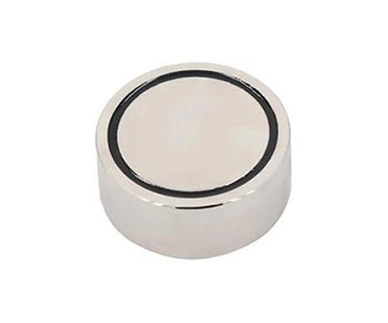
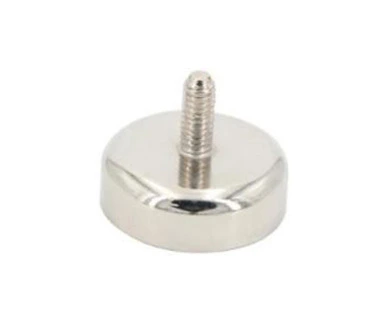
Single-sided magnets with moderate strength are often a practical starting point because they are easier to understand and use.
Best Pull Force for Heavy Retrieval
Heavy retrieval applications usually require a stronger magnet, but pull force alone is still not enough. For demanding use, buyers should also consider:
For example, a double-sided or 360° design may improve retrieval efficiency depending on the search method. A strong magnet with poor coating or weak mounting hardware is not ideal for heavy-duty use.
How to Match Pull Force with Magnet Type
Different fishing magnet structures influence how pull force is used in practice.
Single-Sided Fishing Magnets
These are effective for direct lifting when the target object is below the magnet. The force is concentrated on one face, which can make them efficient for vertical retrieval.
Double-Sided Fishing Magnets
These allow more flexible mounting and are often better for dragging through rivers or lakes. In some applications, the ability to search from different angles is more important than the maximum pull force number alone.
360° Fishing Magnets
These provide magnetic attraction from multiple directions and may improve contact opportunities in complex retrieval conditions. They are often selected for broader attraction coverage.
Common Mistakes When Choosing Magnet Strength
Many buyers make avoidable mistakes when selecting a fishing magnet.
Choosing by Number Alone
A higher pull force does not always mean better real-world performance.
Ignoring Magnet Structure
The way the force is distributed matters just as much as the rated strength.
Overlooking Handling Difficulty
A magnet that is too heavy or difficult to control may not be suitable for the end user.
Forgetting About Coating and Build Quality
Durability is especially important in wet and outdoor environments.
Not Matching the Product to the User
Beginner, hobby, retail and industrial users may all need different strength levels.
Conclusion
The best pull force for magnet fishing depends on how and where the magnet will be used. Real performance is influenced by contact area, object shape, pulling angle, structure and environment. For many users, a moderate-strength magnet offers the best balance between usability and performance, while advanced or industrial applications may require stronger and more specialized designs. If you are looking for high-quality neodymium fishing magnets with different pull force options, contact our team for product recommendations, wholesale support or OEM solutions.
 English
 日本語
日本語 한국어
한국어 français
 Deutsch
 Español
 italiano
 русский
 português
 العربية