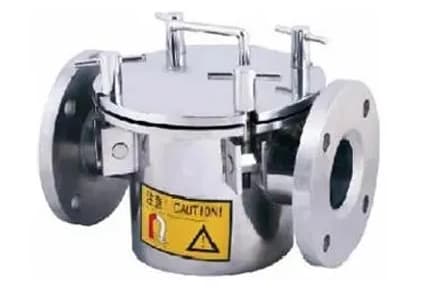
A magnetic liquid trap is an industrial filtration device designed to remove ferrous contaminants from liquid or semi-liquid materials during processing. For buyers preparing an RFQ, providing accurate information about flow conditions, material characteristics, connection requirements and operating environment is essential for receiving a suitable quotation.
Unlike standard filtration equipment, magnetic liquid traps rely on magnetic separation technology rather than traditional filter media. This makes them suitable for applications where removing fine iron particles is important for product quality, equipment protection and process stability.
For food processors, chemical manufacturers and industrial users, selecting the right magnetic liquid trap requires more than checking magnetic strength. Buyers should evaluate the complete working environment and communicate technical requirements clearly with suppliers.
What Is a Magnetic Liquid Trap?
A magnetic liquid trap is a magnetic separation system that uses high-performance magnets to capture ferrous particles from flowing liquids, slurries or semi-liquid materials.
During operation, the product flow passes through the housing, where magnetic components attract and retain iron contamination. This helps reduce the risk of metal particles entering downstream equipment or affecting final product quality.
Common applications include:
· Food ingredient processing;
· Chemical production;
· Pharmaceutical-related processes;
· Powder and liquid mixing systems;
· Industrial manufacturing lines.
The structure and magnetic configuration of a liquid trap may vary depending on flow rate, material viscosity and cleaning requirements.
For buyers sourcing industrial magnetic filtration equipment, understanding the working principle helps them select a suitable solution rather than choosing based only on product appearance.
In some dry and semi-dry processing applications, buyers may also compare magnetic liquid traps with other separation solutions such as a magnetic drawer filter, which uses sliding magnetic assemblies to capture ferrous contaminants from material flows. Understanding the differences between liquid and dry magnetic separation systems helps purchasing teams choose the right equipment based on their production conditions.
Which Liquids or Semi-Liquids Need Magnetic Filtration?
Magnetic filtration is commonly used in industries where removing ferrous contamination is necessary to maintain product quality and protect processing equipment.
Typical applications include:
Food Industry
In food processing, magnetic separation can help remove unwanted iron particles from ingredients and production materials. Equipment is often designed with hygiene requirements and easy-cleaning features.
Chemical Industry
Chemical production systems may use magnetic liquid traps to capture metal contamination that could affect downstream processes.
Industrial Processing
Manufacturing facilities may install magnetic filters to protect pumps, pipelines and other equipment from metallic particles.
The suitable design depends on material characteristics, production conditions and industry requirements.
Key RFQ Parameters: Flow Rate, Viscosity, Connection Size and Pressure
When requesting a quotation for a magnetic liquid trap, buyers should provide detailed operating parameters. These details allow manufacturers to recommend the correct structure and avoid inaccurate quotations.
RFQ Parameter | Why It Matters |
Flow Rate | Determines required filtration capacity and equipment size |
Material Viscosity | Influences particle movement and magnetic separation efficiency |
Connection Size | Ensures compatibility with existing pipelines |
Operating Pressure | Affects housing design and safety requirements |
Flow rate determines how much material passes through the system and directly affects equipment sizing.
Viscosity is important because thicker materials may require different magnetic configurations to achieve effective separation.
Connection size ensures the magnetic trap can be integrated into existing production lines.
Pressure requirements help suppliers select suitable housing structures and materials.
Magnet Strength, Tube Material and Surface Finish
Besides operating conditions, buyers should also consider the technical construction of the magnetic liquid trap.
Important factors include:
Magnet Strength
Stronger magnetic assemblies can improve the capture of fine ferrous particles. However, magnetic strength should match the actual application instead of simply selecting the highest specification.
Tube Material
Stainless steel is commonly selected because of its durability and corrosion resistance. The correct material grade depends on the working environment and industry requirements.
Surface Finish
Surface treatment affects cleaning efficiency and product hygiene. Applications in industries such as food processing often require smoother surfaces for easier maintenance.
These details should be discussed during the RFQ process to ensure the final product meets application expectations.
Food, Chemical and Processing Applications
Different industries have different requirements for magnetic filtration equipment.
In the food industry, buyers usually focus on hygiene design, cleaning convenience and material safety.
In chemical applications, corrosion resistance and operating conditions may become more important factors.
In general industrial processing, buyers often prioritize durability, filtration efficiency and maintenance requirements.
A professional supplier should understand these differences and provide recommendations based on the actual production environment.
What to Send Before Requesting a Magnetic Trap Quotation
Preparing complete information before contacting suppliers can significantly improve quotation accuracy.
Buyers should provide:
· Material type and characteristics;
· Flow rate and pressure information;
· Pipeline connection details;
· Installation drawings if available;
· Required industry standards;
· Estimated annual purchasing volume.
Souwest Magnetech provides customized magnetic separation solutions for global buyers and supports OEM requirements according to different application needs.
Working with an experienced magnetic filtration supplier helps buyers reduce communication time and select suitable products for long-term cooperation. For dry powder or granule applications, a magnetic drawer filter provides an effective solution with multi-row bar configurations for thorough separation.
FAQ
How does a magnetic liquid trap work?
A magnetic liquid trap uses magnetic components to attract and retain ferrous contaminants from flowing liquids or semi-liquid materials.
What industries use magnetic liquid traps?
They are commonly used in food processing, chemical production and industrial manufacturing applications.
What information is needed for a magnetic liquid trap RFQ?
Buyers should provide flow rate, viscosity, connection size, pressure, material characteristics and application details.
Can magnetic liquid traps be customized?
Yes. Manufacturers can customize structure, connection design, magnetic configuration and materials according to requirements.
How often should a magnetic liquid trap be cleaned?
Cleaning frequency depends on contamination levels, production conditions and system operation.
If you are sourcing magnetic liquid traps for industrial applications, contact us for product specifications, bulk quotation and OEM support.
 English
 日本語
日本語 한국어
한국어 français
 Deutsch
 Español
 italiano
 русский
 português
 العربية