Choosing the right pot magnets requires more than selecting the strongest magnetic force available. For industrial and commercial buyers, the correct choice depends on mounting method, magnet material, surface protection, working environment, and required holding performance.
Pot magnets are widely used in industrial fixtures, equipment positioning, displays, doors, tools, and mounting systems because their steel cup structure helps concentrate magnetic force while protecting the internal magnet. However, different applications require different designs.
For wholesalers, distributors, and OEM buyers, understanding the differences between magnet types before purchasing can reduce unnecessary costs and improve product reliability. Working with experienced pot magnets manufacturers also helps buyers receive suitable recommendations based on application requirements.
What Are Pot Magnets Used For?
Pot magnets are magnetic assemblies that combine a permanent magnet with a steel cup or housing. The steel cup redirects and concentrates the magnetic field toward the open surface, increasing holding force compared with a standalone magnet of similar size.
Common applications include:
· Industrial positioning fixtures;
· Machine components;
· Magnetic signs and displays;
· Doors and cabinets;
· Manufacturing equipment;
· Temporary mounting solutions.
Because pot magnets provide strong holding force in a compact design, they are often selected when users need reliable attachment without permanent drilling or mechanical fixing.
For B2B buyers, application conditions such as load direction, surface material, and operating environment should be considered before selecting a product.
Choose by Mounting Method: Countersunk, Threaded or Deep Pot Magnets
The mounting method is one of the first factors buyers should evaluate when selecting pot magnets. Different structures provide different installation options.
Pot Magnet Type | Main Feature | Typical Applications |
Countersunk Pot Magnet | Screw fixing through countersunk hole | Equipment fixtures, panels, and industrial mounting |
Threaded Pot Magnet | Internal or external thread connection | Adjustable mounting systems |
Deep Pot Magnet | Deeper steel cup structure for stronger holding | Heavy-duty positioning applications |
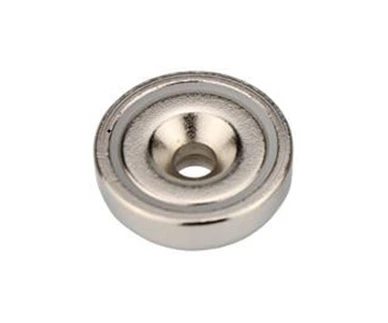
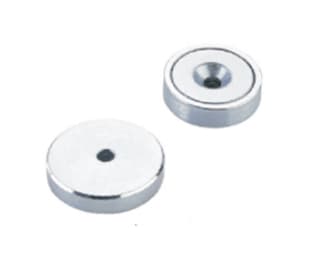
A countersunk pot magnet is commonly selected when buyers need a flush screw installation. This design allows the fixing screw to sit below the magnet surface, creating a cleaner installation appearance.
Threaded and deep pot magnets may be more suitable for applications requiring adjustable mounting or higher holding capability.
For wholesale purchasing, choosing the correct mounting style helps avoid redesign costs and installation problems after delivery.
Choose by Magnet Material: Neodymium, Ferrite or Alnico
Magnet material directly affects holding force, temperature resistance, and cost. The most common materials used in pot magnets include neodymium, ferrite, and alnico.
Neodymium Pot Magnets
A neodymium pot magnet provides high magnetic strength in a relatively compact size. It is widely used when installation space is limited but strong holding performance is required.
Typical applications include industrial equipment, fixtures, and precision mounting systems.
Ferrite Pot Magnets
Ferrite pot magnets are often selected for cost-sensitive applications. They provide stable performance and are suitable for general holding applications where extremely high magnetic force is not required.
Alnico Pot Magnets
Alnico magnets are known for good temperature resistance and are used in specialized environments where thermal stability is important.
When selecting materials, buyers should consider performance requirements together with overall project cost.
Choose by Surface: Standard or Rubber Coated Pot Magnets
Surface design is another important consideration when selecting pot magnets. Different surfaces affect protection, friction, and application suitability.
Standard Pot Magnets
Standard versions are commonly used in industrial environments where direct magnetic contact is acceptable. They are suitable for equipment positioning and general mounting applications.
Rubber Coated Pot Magnets
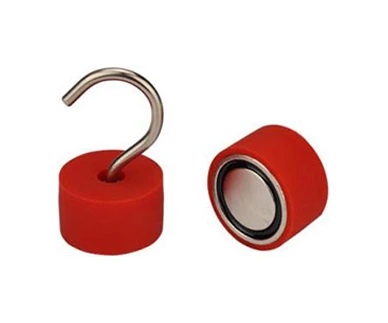
Rubber coated pot magnets add a protective layer between the magnet and the contact surface. This design helps reduce scratches and improves grip, making them useful for applications involving painted surfaces, glass, or finished materials.
Buyers should choose surface treatment according to the working environment rather than selecting based only on appearance.
What B2B Buyers Should Confirm Before Ordering
Before placing a bulk order, professional buyers should confirm several technical and commercial details:
Buying Factor | Why It Matters |
Holding force | Ensures the magnet meets application requirements |
Magnet material | Determines strength and temperature performance |
Mounting design | Ensures installation compatibility |
Surface protection | Prevents damage and improves durability |
Quantity requirement | Helps suppliers provide accurate quotations |
Packaging | Supports safe transportation |
Providing complete information allows manufacturers to recommend suitable products and prepare more accurate quotations.
Souwest Magnetech provides customized magnetic solutions for global buyers and supports OEM requirements for different industrial applications.
Why Work with a Pot Magnets Supplier or Factory
Working with experienced pot magnets manufacturers can provide advantages beyond product supply. Professional suppliers can support:
· Customized dimensions;
· Different magnetic materials;
· Surface treatment options;
· Quality inspection;
· Bulk production capability.
For international buyers, supplier experience is especially important because consistent quality directly affects customer satisfaction and repeat purchasing.
A reliable pot magnet factory should be able to provide clear specifications, production information, and technical support throughout the purchasing process.
FAQ
What is a pot magnet?
A pot magnet is a magnetic assembly where a permanent magnet is installed inside a steel cup to increase holding performance.
Are neodymium pot magnets stronger than ferrite pot magnets?
Generally, neodymium pot magnets provide higher magnetic strength in smaller sizes, while ferrite options are often selected for economical applications.
What is a countersunk pot magnet used for?
Countersunk pot magnets are used when a screw-mounted installation with a flat surface finish is required.
Can pot magnets be customized?
Yes. Manufacturers can customize size, material, coating, and mounting design according to application requirements.
How do I choose the right pot magnet supplier?
Buyers should evaluate manufacturing capability, quality control, customization support, and production experience.
If you are sourcing pot magnets for industrial or commercial applications, contact us for product specifications, bulk quotation, and OEM support.
 English
 日本語
日本語 한국어
한국어 français
 Deutsch
 Español
 italiano
 русский
 português
 العربية