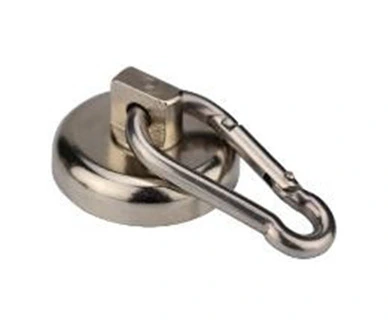
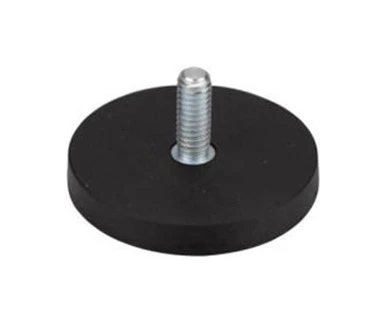
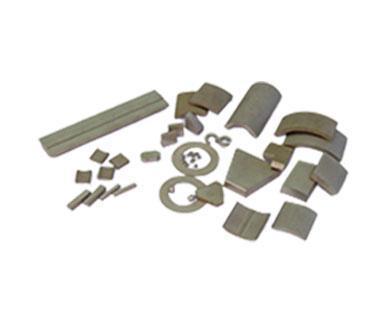
Fishing magnets are widely used for magnet fishing, underwater recovery, treasure hunting and metal object retrieval. However, choosing the right fishing magnet is not as simple as selecting the strongest model available. Pull force, magnet structure, coating, size and mounting design all affect how the magnet performs in real applications.
Whether you are a beginner, an outdoor brand, a distributor or a wholesale buyer, understanding the key factors behind fishing magnet selection will help you choose products that match your needs. In this guide, we explain what to look for when buying a fishing magnet and how to compare different options more effectively.
What Is a Fishing Magnet?
A fishing magnet is a high-strength retrieval magnet, usually made from neodymium material, designed to attract and recover ferrous metal objects from water, mud, grass or hard-to-reach areas. These magnets are commonly used in rivers, lakes, canals, docks, bridges and workshop environments.Compared with ordinary magnets, fishing magnets are built for retrieval work. They usually include a steel housing and an eye bolt so that they can be attached to a rope and used safely in outdoor applications. Depending on the structure, wholesale fishing magnets may focus its magnetic force in one direction or provide multi-directional attraction.If you are looking for different product types, you can explore a full range of fishing magnets including single-sided, double-sided and 360° models.
Understand Pull Force Before Buying
Pull force is one of the most important specifications when choosing a fishing magnet. It refers to the maximum force required to separate the magnet from a thick, flat steel plate under ideal testing conditions. In simple terms, it indicates how strong the magnet can be in a controlled environment.However, buyers should understand that actual field performance is often different from laboratory pull force data. In real magnet fishing situations, several factors reduce effective magnetic attraction:
The metal object may be rusty or covered in mud
The contact surface may be uneven or curved
The object may be small or partially buried
The pulling angle may not be vertical
Water resistance and debris may affect movement
For this reason, a higher pull force is generally helpful, but the number alone should not be the only deciding factor. A well-designed magnet with suitable structure and coating may perform better in practice than a stronger-looking model that is not matched to the application.
Choose the Right Magnet Structure
Fishing magnets are commonly available in three main designs: single-sided, double-sided and 360°.
Single-Sided Fishing Magnets
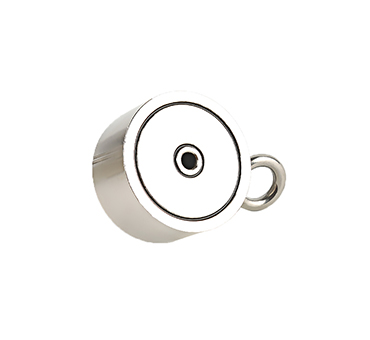
A single-sided fishing magnet focuses most of its magnetic force on one face. This makes it suitable for vertical lifting and direct-contact retrieval. If the target object is directly below the magnet, this structure can provide efficient pulling power.Single-sided magnets are often a good option for:
Double-Sided Fishing Magnets
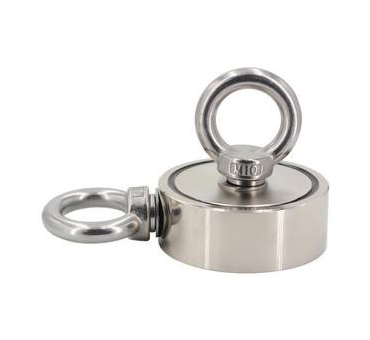
Double-sided fishing magnets offer more flexibility because they can be mounted from different positions, often from the top or side. This allows users to drag the magnet through water and search across a wider area.They are especially useful for:
River and bridge magnet fishing
Dragging-based search methods
Users who want more retrieval angles
Retail programs offering more versatile products
360° Fishing Magnets
A 360° fishing magnet is designed to attract metal from multiple directions. This can improve the chance of contact with hidden or awkwardly positioned objects. These models are often selected by users who want higher retrieval efficiency and broader attraction coverage.They are suitable for:
Consider Magnet Size and Weight
Larger fishing magnets often provide greater pull force, but size and weight also affect usability. A heavy magnet may offer stronger attraction, yet it may be harder to throw, lift, and handle repeatedly—especially for beginners. When choosing a magnet, many anglers also look for reliable product quality from a trusted magnetic materials supplier, as material composition and manufacturing standards can influence both strength and durability.
When comparing size and weight, think about:
Who will use the product
Whether the magnet is for hobby or industrial use
Rope strength and handling safety
Packaging and shipping requirements
Ease of use in retail markets
For many first-time users, a balanced model with moderate size and manageable weight is often a better choice than an oversized magnet that is difficult to control.
Check the Coating and Corrosion Resistance
Fishing magnets are frequently used in wet, muddy and outdoor environments. Because of this, surface coating plays an important role in product durability and service life.A durable coating helps protect the magnet body from:
Buyers should pay attention to coating quality, especially if the products will be used in rivers, lakes or coastal environments. While fishing magnets can be used in wet conditions, proper maintenance is still important. Rinsing and drying after use can help preserve performance.
Look at Mounting and Safety Design
Another important factor is the eye bolt and thread design. In retrieval work, the connection point between the rope and the magnet must be strong and reliable. Weak mounting components may create safety risks or reduce product trust among end users.When evaluating fishing magnets, consider:
For wholesale buyers and private label brands, these small details often influence customer satisfaction and product reviews.
Best Fishing Magnet for Beginners
For beginners, the best fishing magnet is usually not the strongest one. Instead, a more practical choice is a model that offers:
Moderate pull force
Simple operation
Good durability
Safe and secure mounting
Easy handling
Single-sided magnets are often recommended for first-time users because they are straightforward and more predictable in vertical retrieval situations. Fishing magnet kits can also be a useful option because they provide a complete set with rope and accessories.
Choosing Fishing Magnets for Wholesale or Retail
If you are a distributor, importer or brand owner, your product selection strategy should go beyond individual use. You should also consider:
A complete assortment may include entry-level single-sided models, more flexible double-sided magnets and premium 360° versions. This helps serve different user needs while building a stronger product line.If you need factory supply or OEM support, choosing a reliable fishing magnet manufacturer and supplier is equally important.
Conclusion
Choosing the right fishing magnet requires more than checking pull force alone. Structure, size, coating, mounting design and intended application all influence actual performance. Single-sided magnets are often suitable for beginners and direct lifting, double-sided magnets offer better flexibility for dragging and searching, and 360° magnets provide broader attraction coverage.If you are looking for high-quality neodymium fishing magnets for wholesale, retail or custom projects, explore our full range of fishing magnets or contact our team for product recommendations and OEM support.
 English
 日本語
日本語 한국어
한국어 français
 Deutsch
 Español
 italiano
 русский
 português
 العربية